Venice Was the Original Chokepoint Power, and Its Collapse Is a Warning for Hormuz
The palaces on this stretch of water were paid for by a rent extracted from geography. Venice sat where the Levant trade entered Europe, taxed what passed, and converted the proceeds into a navy that protected the arrangement. For roughly four centuries this worked better than almost any other business model available to a European state. Then it stopped working, and the reasons it stopped are directly relevant to every state whose strategic position rests on a strait.
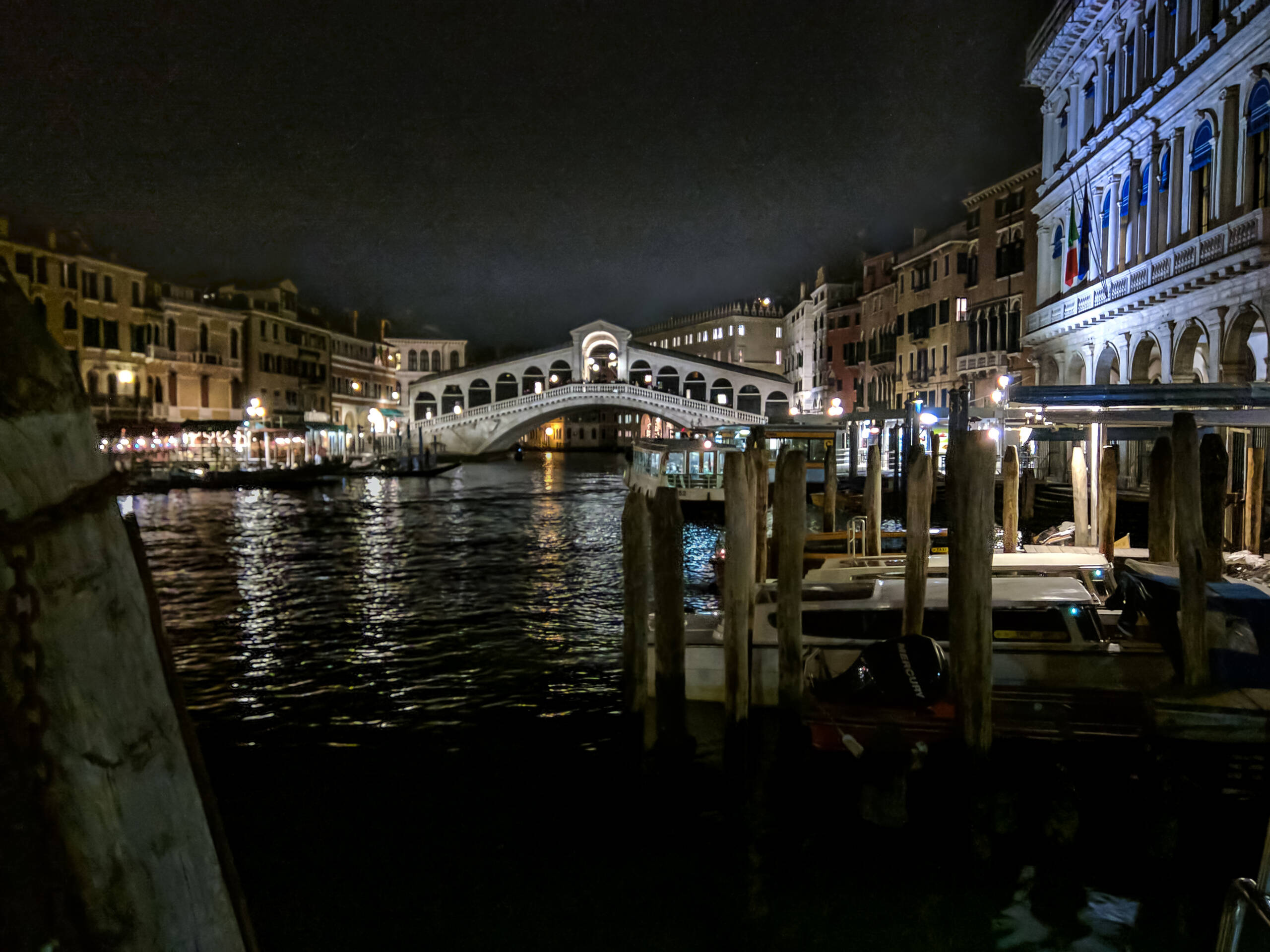
The Venetian system had three components. First, a state-owned merchant fleet operating on fixed schedules, the muda convoys, which moved high-value cargo under naval escort on routes the Senate set. Second, a chain of fortified nodes along the route: Corfu, Modon and Coron, Negroponte, Crete, later Cyprus. Third, the Arsenal, a state shipyard capable of serial warship production on a scale no rival matched, which allowed Venice to convert money into hulls faster than opponents could.
That combination generated genuine strategic leverage. Venice could deny the Adriatic, escort its own commerce, and price access to the Levant trade for buyers who had no alternative supplier of pepper, spices, silk, and cotton reaching northern Europe.
The alternative supplier arrived in 1498. Vasco da Gama’s passage to India around the Cape did not immediately destroy the Levant route, and the volumes moving through Alexandria recovered for periods during the sixteenth century. What it destroyed was the monopoly premium. Once a bypass existed, the rent Venice could charge was capped by the cost of the bypass, and that cap fell as Portuguese and later Dutch operations matured. The chokepoint did not move. Its value collapsed anyway, because value came from the absence of alternatives rather than from the geography.
Ottoman land power finished the job. A maritime republic with a superb fleet and a negligible army could not hold a chain of island and coastal fortresses against a continental adversary willing to spend decades taking them one at a time. Negroponte fell in 1470, Cyprus in 1571, Crete after a siege that ran more than twenty years. The nodes that made the network functional were individually indefensible against sustained land siege, and losing them unravelled the system from the edges inward.
Three transferable conclusions.
Chokepoint rents are contingent on the non-existence of a bypass, not on the strait itself. For Hormuz, the bypass infrastructure already exists in partial form: the East-West pipeline to the Red Sea and the Emirati line to Fujairah both move crude past the strait. Their capacity is well below total Gulf export volume, which is precisely the point. The premium Hormuz commands is a function of that shortfall, and it shrinks as bypass capacity grows.
Demand composition can devalue a chokepoint without anyone touching it. Venice’s rent evaporated partly because the commodity mix and the destination markets moved. Any strait whose importance rests on a single commodity inherits that exposure.
Defending a corridor requires holding the nodes on it, and the nodes are usually the weak link. Venice lost the sea by losing islands. The modern equivalents are ports, terminals, cable landings, and the shore batteries and basing rights that cover them. Force at the chokepoint is not sufficient if the network feeding it is taken apart at the margins.